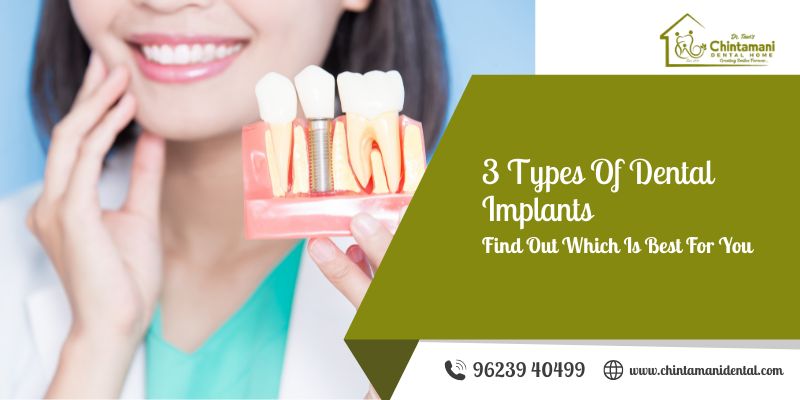
3 Types of Dental Implants: Find Out Which Is Best for You
You notice it while brushing one morning. A gap that wasn’t there before. Or maybe you have lived with it for months, adjusting your smile in photos and chewing carefully on one side. Missing teeth rarely hurt every day, but they quietly change how you eat, speak, and even how confidently you laugh.
Dental implants have transformed modern dentistry. They do more than replace a tooth’s visible portion. They replace the root as well. That small detail makes a big difference. Unlike removable dentures, implants fuse with the jawbone and provide stability that closely mimics natural teeth.
At Chintamani Dental Clinic, we offer efficient dental implant treatment in Karad for those who want a long-term solution. However, if you’re still unsure about your options, then this guide will help you understand what truly fits your needs. Let’s explore the three main types and what makes each one suitable in different situations.
1. Endosteal Implants: The Most Common Choice
Dentists use endosteal implants most frequently. These implants sit directly inside the jawbone. They usually look like small titanium screws, and titanium bonds naturally with bone through a process called osseointegration.
Think of your jawbone like fertile soil. When conditions remain healthy and dense, it supports strong roots. Endosteal implants thrive in such environments.
They work best when:
- You have adequate jawbone density
- Your gums remain healthy
- You want a fixed, long-term solution
Dentists typically follow these steps:
- Place the implant in the jawbone
- Allow healing for a few months
- Attach an abutment
- Fix the crown on top
Patients often choose this option because it offers:
- Excellent stability
- Long lifespan with proper care
- A natural look and feel
At Chintamani Dental Clinic, clinicians carefully evaluate bone levels through digital imaging before recommending this type. Proper planning ensures predictable and safe outcomes.
2. Subperiosteal Implants For Limited Bone Height
Not everyone has enough jawbone for traditional implants. Bone loss may occur due to long-term tooth loss, gum disease, or aging. In such cases, subperiosteal implants offer an alternative.
Instead of placing the implant inside the bone, dentists position it under the gum but above the jawbone. A metal framework rests on the bone, and posts protrude through the gum to support the crown.
Imagine placing a strong foundation platform over solid rock when digging deep proves difficult. It still provides support, but it uses a different approach.
This type may suit you if:
- You have insufficient bone height
- You prefer to avoid bone graft surgery
- You want a fixed restoration
However, dentists use this option less frequently today because modern bone grafting techniques often allow patients to receive endosteal implants instead. A thorough consultation helps determine whether this approach aligns with your oral health condition.
3. Zygomatic Implants For Severe Bone Loss
Zygomatic implants serve as a solution in complex cases. Dentists anchor these longer implants into the cheekbone, also known as the zygoma, rather than the upper jawbone. The cheekbone provides dense, stable support even when the upper jaw has experienced significant bone loss.
This method requires advanced surgical expertise and careful planning. Specialists usually reserve it for patients who cannot undergo traditional implants or extensive bone grafting.
You might consider this option if:
- You have severe upper jawbone loss
- Previous grafting attempts failed
- You seek a fixed alternative to removable dentures
Although less common, zygomatic implants expand possibilities for patients who once had limited options. Experienced implant dentists assess medical history, bone quality, and overall oral health before recommending this route.
How Do You Decide What Fits You?
Choosing the right implant type feels less like picking from a menu and more like tailoring a custom outfit. What fits one person perfectly may not suit another at all.
Your dentist evaluates several factors:
- Bone density and volume
- Gum health
- Medical conditions like diabetes
- Smoking habits
- Budget and long-term goals
For instance, controlled diabetes does not automatically disqualify you from implants, but it requires careful monitoring. Similarly, smokers face a higher risk of implant failure, so dentists strongly encourage cessation before surgery.
During consultations for dental implant treatment in Karad at Chintamani Dental Clinic, dentists often use 3D imaging to assess bone structure precisely. This planning reduces complications and improves long-term success rates.
What Makes Implants So Reliable?
Dental implants boast success rates of 90 to 95 percent or higher when placed in healthy individuals with proper care. That reliability comes from biology, not magic. Titanium integrates with bone, forming a strong bond. This fusion prevents bone shrinkage, which often occurs after tooth loss.
When you chew, the implant transfers forces into the bone just like a natural root. Dentures cannot replicate this effect. Over time, implants help maintain facial structure and jaw strength.
However, success depends heavily on:
- Excellent oral hygiene
- Regular dental check-ups
- Professional cleaning
- Managing systemic health conditions
Skipping follow-ups or ignoring gum inflammation can compromise results. Dentists emphasize maintenance as strongly as placement.
Recovery and Aftercare: What to Expect?
Most patients resume normal activities within a day or two after implant placement. Mild swelling and discomfort may occur, but dentists manage these symptoms with medication and clear instructions.
You should:
- Eat soft foods initially
- Avoid smoking
- Maintain gentle oral hygiene
- Attend scheduled reviews
Healing typically takes a few months, allowing the implant to integrate securely. Rushing this phase risks long-term stability. Think of it as allowing a seed to root deeply before expecting it to bear fruit.
Common Concerns Patients Share
Patients often walk into consultations with similar worries:
- “Will it hurt?”
- “Will it look natural?”
- “What if it fails?”
- “Is it safe at my age?”
Modern implant dentistry prioritizes patient comfort. Dentists use local anesthesia and advanced techniques to minimize discomfort. Age alone rarely disqualifies someone. Overall health matters far more than the number of birthdays celebrated.
At Chintamani Dental Clinic, practitioners guide patients step by step, addressing concerns without overwhelming them. Clear communication builds confidence long before the procedure begins.
So, Which One Is Truly Best?
The answer rarely fits into a single sentence. Endosteal implants suit many patients. Subperiosteal implants serve those with limited bone. Zygomatic implants help in complex upper jaw cases. Each option carries unique indications.
The real question becomes less about which type is best and more about which type aligns with your bone, health, and goals.
If you feel ready to explore dental implant treatment in Karad, schedule a consultation at Chintamani Dental Clinic. A personalized assessment can uncover the solution that restores not just your tooth, but your confidence with carefully planned steps at a time.
FAQs
- How do I know if I am suitable for a dental implant?
A dentist determines suitability after a comprehensive oral examination and digital imaging. They assess bone density, gum health, and medical history before suggesting an implant plan. Conditions like uncontrolled diabetes or active gum disease may require management first. Most healthy adults qualify for implants with proper planning. A personalized consultation offers the most accurate guidance.
- Are dental implants better than dentures?
Dental implants provide greater stability and help preserve jawbone structure. Unlike dentures, implants do not slip or require adhesives. They allow more natural chewing and speaking. However, each patient’s situation differs, and dentists recommend options based on clinical findings and lifestyle needs. A detailed evaluation ensures the best decision.
- How long do dental implants last?
With proper care, dental implants can last many years, often decades. Patients must maintain good oral hygiene and attend regular dental visits. Gum infections around implants, known as peri-implantitis, can shorten lifespan if untreated. Lifestyle habits like smoking also affect longevity. Consistent maintenance protects your investment.
- Is the implant procedure safe?
Qualified dentists follow strict sterilization and surgical protocols to ensure safety. They evaluate medical history thoroughly before planning surgery. Complications remain rare when experienced professionals perform the procedure. Following post-operative instructions further reduces risks. Careful case selection plays a crucial role in overall success.