
From Milk Teeth to Molars: The Essential Role in Oral Development
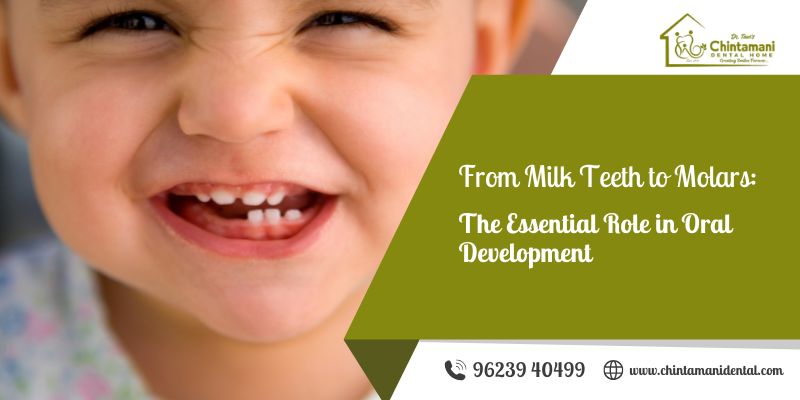
Most parents don’t remember the exact day their child’s first tooth appears. They remember the sleepless night, the drool-soaked bibs, the tiny white edge peeking out during a smile. It feels cute, temporary, almost decorative.
“Milk teeth will fall anyway,” many people say, because of which brushing feels casual. Dental visits feel optional. That tiny brown spot feels harmless.
Then one day, your child avoids chewing on one side. They report sensitivity and a toothache. Parents start spotting tiny spots, and suddenly, those “temporary” teeth don’t feel so temporary.
At Chintamani Dental Home, dentists mostly encounter worried parents seeking guidance. Parents don’t neglect care on purpose. Life just gets busy. But baby teeth quietly carry a much bigger responsibility than most people realize.
Let’s slow down and understand why these small teeth matter so much from the very beginning.
Why Do Milk Teeth Matter More Than We Think?
Baby teeth act like guides. They hold space. They help children chew, speak, and smile confidently. They shape how the jaw grows and how permanent teeth erupt later.
Remove one too early, and the balance shifts.
Imagine a row of books standing neatly on a shelf. Take one out suddenly. The rest lean, slide, and crowd each other. Teeth behave the same way.
When decay damages milk teeth, it doesn’t just affect today’s snack time. It influences tomorrow’s alignment, speech clarity, and even facial development.
So yes, they fall out eventually. But they still run the show for nearly a decade.
Journey From The First Tooth To The Molars
Children’s mouths change faster than we notice.
Here’s how the timeline usually unfolds:
- Around 6 months: first baby teeth appear
- 2 to 3 years: full set of 20 milk teeth
- 6 years onward: permanent teeth begin replacing them
- Early teens: molars settle into place
During this entire period, teeth erupt, shift, and adjust like dancers finding their marks on stage.
Any disruption, like cavities, infections, or early loss, can disturb that choreography.
That’s why pediatric dentists focus heavily on prevention rather than repair.
Where Do Problems Usually Begin?
Tooth decay in young children doesn’t arrive dramatically. It creeps in quietly.
Common triggers include:
- Frequent sugary snacks or juices
- Bottle feeding at bedtime
- Inconsistent brushing
- Sticky foods
- Missed dental visits
Bacteria feed on sugars and produce acids. These acids soften enamel. Soft enamel invites cavities.
In kids, enamel stays thinner than adult enamel. So damage spreads faster. What looks like a tiny chalky spot can grow like watercolor spreading on paper.
At Chintamani Dental Home, dentists often say early decay behaves like a slow leak. You don’t hear it, but it gradually weakens everything.
Understanding Early Childhood Caries Treatment
When parents explore early childhood caries treatment in Karad at Chintamani Dental Home, they often expect complex procedures. In reality, most treatments stay simple when dentists catch problems early.
Dentists choose methods based on severity and age.
For very early stages, they may recommend:
- Professional cleaning
- Fluoride applications
- Diet counseling
- Brushing technique guidance
If a small cavity forms, dentists use tooth-colored fillings that restore shape and strength.
For deeper decay, they may suggest:
- Pulp therapy
- Stainless steel crowns
- Space maintainers, if a tooth needs removal
Each step protects future development, not just the current tooth.
Think of these treatments like reinforcing a young plant with small supports. You guide growth gently instead of forcing correction later.
Why Timing Changes Everything?
Parents often ask, “Can we wait?”
But pain signals advanced damage. By then, options shrink.
Early visits allow dentists to:
- Catch cavities before they deepen
- Strengthen weak enamel
- Monitor jaw growth
- Teach kids healthy habits
- Reduce fear through familiarity
Children who start dental care early treat the clinic like a normal place, not a scary one. That comfort stays for life.
A short check-up today can prevent a long procedure tomorrow.
Daily Habits That Shape Lifelong Smiles
Professional care helps, but home habits do most of the heavy lifting.
Here’s what works consistently:
- Brush twice daily with fluoridated toothpaste
- Use a pea-sized amount after age three
- Help children brush until they develop proper control
- Limit frequent snacking
- Offer water after meals
- Avoid sleeping with milk bottles
- Schedule dental visits every six months
These steps feel simple, almost boring. But boring routines build strong foundations.
It’s like packing a school bag every night. Small effort. Big difference.
Emotional Side Of Children’s Dental Health
There’s another piece we don’t talk about enough.
Children notice their smiles.
They notice stains. They notice missing teeth. They notice teasing.
A healthy mouth supports confidence. A child who smiles freely participates more, speaks clearly, and laughs without hesitation.
At Chintamani Dental Home, many parents say their kids start smiling more after treatment. That emotional shift matters just as much as clinical results.
Dentistry isn’t just about teeth. It’s about comfort and confidence.
Signs Parents Shouldn’t Ignore
Watch for these early clues:
- White or brown spots on teeth
- Bad breath
- Bleeding gums
- Complaints while chewing
- Sensitivity to cold or sweets
- Teeth breaking or chipping easily
These signs don’t always indicate major issues, but they deserve attention.
Addressing them early keeps everything manageable.
Ignoring them often leads to longer, costlier care later.
FAQs
What is early childhood caries treatment?
Early childhood caries treatment focuses on preventing and managing tooth decay in infants and young children. Dentists evaluate oral hygiene, diet habits, and cavity risk during visits. They provide fluoride treatments, fillings, or protective crowns when needed. The goal is to preserve milk teeth and support proper oral development. Early care reduces pain and prevents complex procedures later.
At what age should my child first visit a dentist?
Dentists recommend the first visit by the first birthday or when the first tooth appears. Early appointments help parents learn correct brushing and feeding practices. These visits also allow dentists to detect early signs of decay. Children become comfortable with the dental setting from the start. This familiarity reduces fear in future visits.
Can baby teeth cavities really affect permanent teeth?
Yes, cavities in baby teeth can influence permanent teeth significantly. Infection can spread and damage the developing tooth underneath. Early tooth loss can also cause spacing and alignment problems. These issues may require orthodontic correction later. Healthy milk teeth support healthy permanent teeth.
How can I prevent tooth decay in toddlers?
You can prevent decay by brushing twice daily with fluoridated toothpaste and supervising cleaning. Limit sugary drinks and sticky snacks between meals. Encourage water and balanced meals instead. Schedule regular dental check-ups for monitoring and preventive care. Consistent habits protect teeth effectively.
Early Care And Steady Habits For Healthier Smiles
Milk teeth may look small, but they carry big responsibilities. They guide growth, protect space, and shape your child’s future smile.
When you notice even tiny changes, don’t brush them off.
If you feel unsure or want clarity about early childhood caries treatment in Karad, a simple visit to Chintamani Dental Home can help you understand where your child stands and what small steps you can take next.
Sometimes the strongest smiles don’t come from big treatments. They grow quietly from early care, steady habits, and attention at just the right moment.