
How Safe and Comfortable Is Cavity Filling for Kids in Karad?
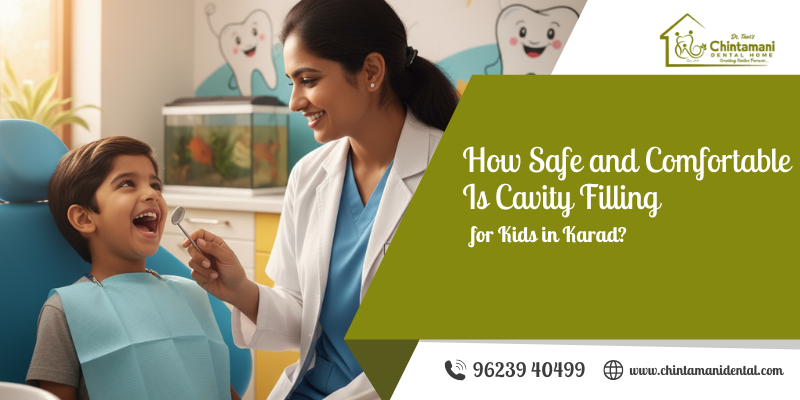
You know how kids can be dramatic about the tiniest things, a mosquito bite, a scratch, or even a wobbly tooth. Now, imagine the reaction when you mention, “We need to go to the dentist.”
Instant panic. Wide eyes. Maybe even a little bargaining.
But here’s the truth, most of that fear comes from what we adults have grown up imagining about dental treatments. Modern dentistry, especially at child-friendly clinics like Chintamani Dental Home in Karad, is a completely different story.
Today, cavity filling for kids in Karad is not just safe, but also gentle, comfortable, and often quicker than finishing an episode of their favorite cartoon.
When That Sweet Tooth Turns into a Cavity
It usually starts innocently, a tiny black spot on a tooth. You think, “It’s just one, let’s wait and see.”
But kids’ teeth are more delicate than adult teeth. Cavities spread faster, and before you know it, your child starts avoiding one side while chewing or complains that cold water “hurts their tooth.”
So why do these cavities appear so quickly? Here are a few culprits:
- Frequent snacking – Chocolates, biscuits, or chips leave behind sugar that bacteria love.
- Inadequate brushing – Little hands often miss the back teeth and corners.
- Bedtime milk or juice – Sugar from these drinks sticks around overnight.
- Irregular dental checkups – Cavities can start small and painless, but grow silently.
And no, it’s not just about sweets. Even healthy foods like bananas or dry fruits can stick to the teeth and cause decay over time.
Why Treat Cavities in Milk Teeth at All?
A lot of parents in Karad still believe, “They’re baby teeth — they’ll fall out anyway.”
Here’s the catch: milk teeth have a job to do. They hold space for the permanent ones and help your child chew properly and speak clearly.
When cavities in baby teeth are left untreated:
- Pain and infection can spread to nearby teeth.
- The child may develop a fear of eating or brushing.
- Permanent teeth can grow misaligned if milk teeth fall out early.
So, filling cavities isn’t just about fixing a hole; it’s about protecting your child’s smile, comfort, and confidence.
How Cavity Filling for Kids in Karad Works (Step by Step)
At Chintamani Dental Home, the process is designed to be quick, calm, and reassuring for kids. Here’s what actually happens, step by step:
- Gentle check-up – The dentist examines the tooth, sometimes using small X-rays if needed.
- Comfort first – Numbing gel or local anesthesia ensures there’s no pain at all.
- Cleaning out decay – The cavity is carefully removed using special tools.
- Filling the gap – A safe, tooth-colored material is used to restore the tooth’s shape and strength.
- Finishing touch – The dentist checks the bite and polishes the filling so it feels smooth and natural.
The entire process usually takes 20 to 30 minutes, and most kids leave smiling, proudly saying, “It didn’t hurt at all!”
Are Dental Fillings Safe for Kids?
Absolutely. Modern filling materials used in pediatric dentistry are 100% safe, biocompatible, and mercury-free.
At Chintamani Dental Home in Karad, only child-friendly, high-quality materials are used that bond securely with the tooth and last for years.
The goal isn’t just to fill a cavity; it’s to ensure your child’s tooth stays healthy, functional, and pain-free until the permanent one naturally takes its place.
Types of Fillings Used for Children
Depending on the tooth and cavity size, the dentist may recommend one of these:
- Tooth-colored (composite) fillings – Blend perfectly with the tooth, look natural, and are most commonly used.
- Glass ionomer fillings – Release fluoride, which helps strengthen surrounding teeth and prevent new cavities.
- Stainless steel crowns – Used for larger cavities on back teeth, especially when the structure needs extra support.
Each choice is made keeping your child’s comfort, safety, and future dental development in mind.
What Makes Fillings Comfortable for Kids Today
Kids don’t face the old ‘open wide and pray it’s over’ routine anymore; treatments today are smooth, quiet, and stress-free.:
- Topical numbing gels before anesthesia
- Painless anesthesia delivery systems
- High-speed, low-vibration instruments
- Distraction techniques, like screens or stories, to relax kids
At Chintamani Dental Home, the environment is warm, cheerful, and non-threatening — so even anxious children start to relax once they step inside.
Helping Your Child Stay Calm During Treatment
If your child is nervous before the appointment, here are a few tricks parents in Karad swear by:
- Talk positively – Avoid words like “pain” or “needle.” Say things like, “The dentist will clean your tooth and make it strong again.”
- Bring comfort – Their favourite soft toy or small blanket can help.
- Be calm yourself – Kids mirror your emotions. If you’re relaxed, they’ll be too.
- Reward after – A small treat (non-sugary, of course!) helps them associate dental visits with something positive.
Most children respond better than parents expect, especially when the dental team makes it fun.
At-Home Care After a Cavity Filling
Once the filling is done, the hard part’s over. But maintaining it matters.
Here’s what you can do at home:
- Avoid giving crunchy or hard food for the next 24 hours.
- Brush gently, especially around the filled tooth.
- Limit sticky snacks that can loosen fillings.
- Keep up with regular 6-month checkups.
Fillings don’t just fix, they protect. But like any fix, they need care to stay strong.
Prevention: The Real Superpower
You can’t watch every bite or brush every tooth for your child, but a few small habits make a big difference:
- Make brushing twice a day a rule, not a choice.
- Use fluoride toothpaste appropriate for kids.
- Encourage rinsing after every snack or meal.
- Replace the toothbrush every 3 months.
- Visit your dentist every 6 months for preventive cleaning and checkups.
Cavity filling for kids in Karad at Chintamani Dental Home is effective, but prevention will always be easier, cheaper, and stress-free.
FAQs
- Is cavity filling painful for kids?
Not at all. The tooth is numbed before the procedure, so there’s no pain — only a light pressure or vibration that kids barely notice. Most say it feels “funny” but not scary. - How long do dental fillings last?
For baby teeth, fillings can last several years — often until the tooth naturally falls out. With proper brushing and diet, they stay strong throughout. - What if my child refuses to sit for treatment?
Pediatric dentists are trained to manage this gently. With patience, storytelling, and a calm approach, even the most anxious kids cooperate beautifully. - Are the filling materials safe for children?
Yes, all materials used are non-toxic and mercury-free. They’re tested for biocompatibility and are completely safe for growing teeth. - What happens if we skip filling a small cavity?
It might start small but can quickly spread to the inner layers, causing pain or infection. Early treatment saves both the tooth and your child from future discomfort. - How can I prevent cavities from returning?
Regular brushing, fewer sticky snacks, and routine dental checkups every 6 months make a world of difference. Your dentist will guide you with easy tips suited to your child.
A Healthy Smile That Lasts
A cavity may seem like a minor issue, but addressing it properly protects your child’s comfort, confidence, and long-term oral health.
At Chintamani Dental Home in Karad, every treatment, especially cavity filling for kids, is done with a gentle touch, modern techniques, and plenty of care.
Because a child who leaves the dentist smiling today is an adult who won’t fear dental care tomorrow.