How to Prevent Oral Cancer: Tips from Dental Experts
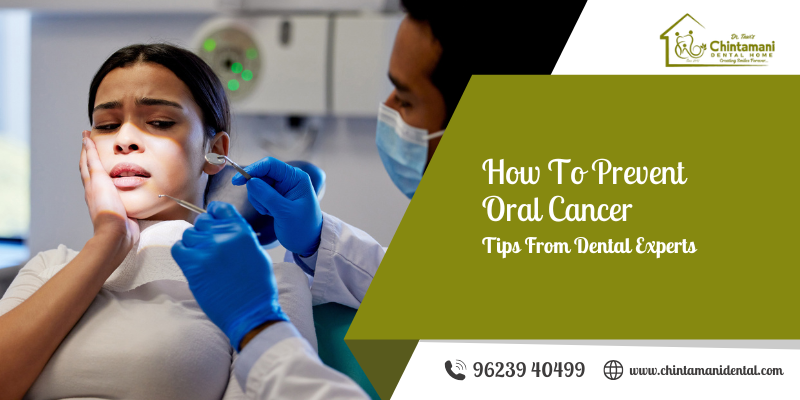
It often starts with something very small, a mouth ulcer that refuses to heal, a rough patch on the cheek that feels “different,” or a tiny lump that you keep touching with your tongue because it wasn’t there before. Most people ignore these signs, assuming they’re just from eating something too spicy or accidentally biting the inner cheek. But at Chintamani Dental Clinic, we see this quite often: delays caused not by lack of concern, but by lack of awareness.
Oral cancer is one of the most preventable cancers, yet it remains common because many early symptoms go unnoticed. The encouraging part is that with the right habits and timely check-ups, the risk drops significantly. At Chintamani Dental Home, we spend a lot of time educating patients about oral cancer treatment in Karad, because prevention is always easier and far less stressful than treatment later. If you’re looking for guidance, understanding how to protect yourself is the first step.
Why Oral Cancer Happens: Common and Overlooked Reasons
Most people know tobacco is harmful, but there are several factors that increase the risk without being obvious.
1. Tobacco in Any Form
Cigarettes, bidis, gutkha, khaini, or paan with tobacco irritate the mouth tissues continuously. Over time, this causes changes that can develop into cancer.
2. Excessive Alcohol
Alcohol makes the oral tissues more vulnerable and, when combined with tobacco, multiplies the risk many times.
3. Viral Infections
Certain strains of HPV (human papillomavirus) are linked to oral cancer, especially in younger individuals.
4. Long-term Sun Exposure
The lower lip gets more sunlight than we realise, especially for people who work outdoors.
5. Family History or Genetic Factors
Not as common, but still relevant when combined with other risks.
Knowing these triggers helps you understand what changes matter. Prevention isn’t about doing everything perfectly; it’s about reducing the exposure your mouth gets to these irritants.
Early Signs That Should Never Be Ignored
Early detection saves lives, and many signs are easy to spot once you know what to look for:
A mouth sore that doesn’t heal within 2–3 weeks
- White or red patches on the tongue or cheeks
- Difficulty swallowing or persistent throat discomfort
- A lump or thickened area inside the mouth
- Numbness in the tongue or lips
- Unexplained loosening of teeth
- Persistent hoarseness
If you recognise even one of these, especially if you smoke or chew tobacco, it’s worth visiting a dentist for a quick examination. At Chintamani Dental Home, screenings for oral cancer are routine and painless, and they help catch issues at the earliest stage.
Daily Habits That Strongly Reduce Oral Cancer Risk
Patients often assume prevention requires drastic lifestyle changes, but many protective habits are simple and practical.
1. Quit Tobacco - The Most Powerful Step
Whether it’s smoking or chewing, letting go of tobacco makes an enormous difference. Many patients in Karad who gave it up noticed visible improvements in their mouth health within months.
2. Cut Down on Alcohol
Frequent alcohol consumption can irritate the mouth’s soft tissues and make them more susceptible to cancer-causing changes. Reducing your intake lowers this risk significantly and helps keep your oral tissues healthier and more resilient.
3. Prioritise Oral Hygiene
Brush twice daily, clean your tongue, and floss when possible. A clean mouth doesn’t just feel fresh; it reduces chronic irritation.
4. Protect Your Lips
Your lips are exposed to the sun just as much as your skin, and long-term UV exposure can increase the risk of cancerous changes. Using an SPF lip balm, whether you spend time outdoors for work, travel frequently, or simply enjoy being out in the sun, helps shield the delicate lip tissues and keeps them healthy.
5. Choose Nutritious Foods
A diet rich in fruits, vegetables, and antioxidants strengthens immunity and supports healing.
6. Inspect Your Mouth Regularly
A 20-second check in the mirror once a week helps you notice changes early. You know your mouth better than anyone; trust your instincts.
The Role of Dental Check-ups in Prevention
Even the most dedicated brushing routine cannot replace a professional check-up. Dentists are trained to notice changes long before they turn serious, and this is where preventive care becomes powerful.
Why These Visits Matter
- Dentists can identify precancerous lesions early.
- Sharp teeth or ill-fitting dentures that irritate the mouth can be corrected.
- A thorough cleaning reduces chronic inflammation.
- Lifestyle counselling helps you understand your personal risks.
At Chintamani Dental Home, routine dental visits include visual screening for oral cancer, especially for adults who chew tobacco or drink regularly. Prevention is not complicated; it simply requires consistency.
If You Need Oral Cancer Treatment in Karad: What to Expect
Not every suspicious ulcer turns out to be cancer. But if something requires further evaluation, here’s what typically happens:
1. Detailed examination of the affected area
2. Pain-free biopsy if needed
3. Discussion of treatment options based on stage and location
4. Guidance for lifestyle modifications to support healing
5. Regular follow-ups to monitor health
The key is acting early. Over the years, patients who sought timely help recovered faster and experienced far fewer complications.
Lifestyle Factors We Often Overlook
Sometimes the simplest habits compound over time:
1. Stress and Sleep
High stress affects immunity, making your body less capable of healing small wounds.
2. Hot, Spicy Foods
These don’t cause cancer, but constant irritation can worsen existing sores.
3. Self-Medicating with Gels
Many people use over-the-counter gels for ulcers repeatedly instead of checking the root cause.
4. Ignoring Denture Fit
Poorly fitting dentures rub against the gums and create repeated injury.
Small changes, like adjusting dentures or drinking enough water, go a long way in preventing chronic irritation inside the mouth.
FAQs
1. Is oral cancer always linked to tobacco?
Not always. While tobacco is the biggest risk factor, alcohol, viral infections, and poor mouth hygiene also contribute. Even people who never consume tobacco should stay alert to symptoms.
2. How often should I get screened for oral cancer?
Once a year is ideal for most adults; if you smoke, chew tobacco, or drink regularly, check-ups every six months are safer. Routine screenings take just a few minutes but can catch problems early.
3. Do mouth ulcers mean cancer?
Most ulcers are not that serious and heal within days. Concern arises only when an ulcer stays for more than two or three weeks or keeps coming back. A dentist can easily check whether it needs further testing.
4. Can oral cancer be treated successfully if found early?
Yes. Early diagnosis greatly improves outcomes and reduces the need for complex treatments. This is why regular dental visits and self-checks matter so much.
5. Are home remedies enough to prevent oral cancer?
Home remedies can soothe irritation, but they cannot prevent or detect cancer. Prevention relies on avoiding major risk factors and getting regular screenings. Professional guidance is essential when symptoms linger.
Your Health, Your Awareness
Oral cancer prevention is not about fear; it is about awareness, small habits, and timely care. When you pay attention to changes in your mouth and visit your dentist regularly, you protect yourself more than you realise. If you ever feel unsure about a sore, patch, or discomfort, Chintamani Dental Home is a trusted place for oral cancer treatment in Karad to get clarity and reassurance.
Your mouth sends signals long before a problem becomes serious. Listening to them today can protect your health tomorrow.