
How Long Can Dental Fillings Last? A Guide to Their Longevity
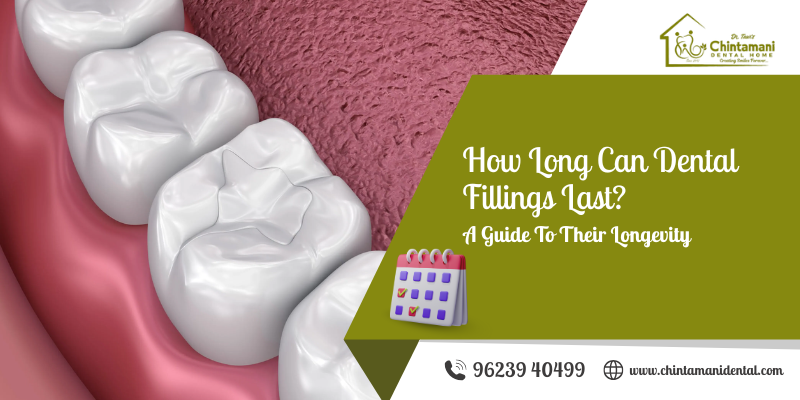
You’ve just got a dental filling done, your tooth feels stronger, and life is back to normal. Then a thought pops into your mind, “How long will this last? Do fillings have an expiry date like milk packets?
At Chintamani Dental Home, we hear this question more often than you’d think. Fillings are like little heroes that protect your teeth from further decay. But like all good things, they don’t last forever, and knowing their lifespan can save you from unexpected dental troubles later.
Whether you came in for a cavity repair or as part of a larger smile makeover like cosmetic dental treatment in Karad, understanding your filling’s life cycle is important. So, let’s talk about what affects their longevity, how you can make them last longer, and when it’s time for a replacement.
Table of Content
Factors That Decide How Long Your Fillings Last
How to Make Your Dental Fillings Last Longer?
Signs Your Filling Needs Replacement
From Our Dental Chair to Your Smile
What Are Dental Fillings?
Think of dental fillings as patchwork for your teeth. When a cavity or decay damages part of your tooth, your dentist removes the bad part and “fills” the gap with a special material to restore its function and shape.
Common filling materials include:
- Composite resin: Tooth-coloured, blends beautifully with your natural teeth.
- Amalgam: Silver-coloured, known for durability.
- Ceramic: Aesthetic and long-lasting, but needs careful handling.
- Glass ionomer: Often used for smaller repairs or in kids’ teeth.
Different materials come with different lifespans, and yes, your habits play a huge role in how long they stick around.
Factors That Decide How Long Your Fillings Last
Your dental filling’s “lifespan” isn’t just about luck; it’s a mix of material choice, daily habits, and lifestyle factors. Here’s what really matters:
- The Material Used
Stronger materials like amalgam or gold can outlast tooth-coloured composites, especially in areas that do a lot of chewing. Composite looks great, but may wear faster in high-pressure zones. - Size & Location
Fillings in the back teeth (molars) handle more chewing force. Larger fillings also face more pressure, which can cause them to wear out sooner. - Your Oral Hygiene Routine
Gentle but consistent brushing, flossing, and regular dental check-ups help fillings last longer. Skipping these speeds up their wear. - Diet Choices
Love sticky sweets or crunchy ice? Your fillings don’t. These habits can chip or loosen them over time. - Teeth Grinding (Bruxism)
Grinding or clenching your teeth puts extra stress on fillings, sometimes leading to cracks or damage.
Pro Tip: If you grind your teeth at night, consider talking to your dentist about a protective night guard - it’s like a helmet for your fillings.
Types of Fillings
When it comes to fillings, there’s no “one size fits all.” Each type has its strengths, weaknesses, and unique lifespan.
- Amalgam (Silver) Fillings
These are known for their strength and durability. They’ve been around for decades and can withstand heavy chewing forces, especially on back teeth. The downside? They don’t blend with your natural tooth colour.
- Composite Resin Fillings
If you want your filling to look invisible, composite is the way to go. It matches your tooth colour perfectly, making it popular in cosmetic dental treatment in Karad. However, it’s slightly less durable in high-pressure chewing areas.
- Ceramic Fillings
These are the premium choice for aesthetics and strength. Ceramic fillings resist staining and last a long time with good care.
- Glass Ionomer Fillings
Mostly used for smaller cavities or in children’s teeth. They release fluoride, which helps prevent further decay, but they aren’t as strong as other materials.
Average Lifespan
While it’s not an exact science (every mouth is different), here’s a general idea:
| Type of Filling | Average Lifespan |
|---|---|
| Amalgam (Silver) | 10–15 years |
| Composite Resin (Tooth-Coloured) | 5–7 years |
| Ceramic | 15+ years |
| Glass Ionomer | 5 years or less |
But remember, these are averages. We’ve seen fillings last much longer in people who take good care of their teeth, and we’ve also replaced fillings that gave up early due to poor habits.
How to Make Your Dental Fillings Last Longer?
The good news is that with just a little care, your fillings can serve you well for many years. Brushing twice a day with fluoride toothpaste is the first step to keeping them intact, and pairing that with daily flossing helps remove plaque from places your brush can’t reach. It’s also a smart idea to avoid using your teeth as tools; chewing on pens, opening packets, or biting hard objects can damage both your natural teeth and your fillings.
Regular dental check-ups with a trusted dentist in Karad allow you to catch early signs of wear before they turn into bigger issues. And if you know you grind your teeth at night, talk to your dentist about getting a night guard, which acts like a protective shield. After eating sugary snacks, a quick rinse with water can also help reduce acid attacks that slowly weaken teeth and fillings.
Signs Your Filling Needs Replacement
Just like anything else you use every day, fillings eventually show signs of wear, and they’ll usually give you a few hints before failing completely. You might notice tooth sensitivity when you eat or drink something hot, cold, or sweet. Sometimes, small cracks, chips, or general wear in the filling can be seen in the mirror. Pain while biting, food repeatedly getting stuck in the same spot, or a discolouration along the edges of the filling are also signals that something’s not right.
If any of these signs sound familiar, it’s best not to wait for the filling to fall out entirely. A timely visit to a reliable dental clinic in Karad can save you discomfort and prevent further damage to your tooth.
FAQs
Q. Can a permanent tooth filling stay for a lifetime?
In most cases, no. While some gold or ceramic fillings can last decades, the daily wear-and-tear from chewing, temperature changes, and bacteria eventually breaks them down. Even with excellent care, fillings usually need replacement at some point.
Q. How many times can a composite filling be replaced?
There’s no strict limit, but each time a filling is replaced, a small bit of natural tooth structure is removed. Over time, if the tooth becomes too weak, your dentist may recommend a crown instead of another filling.
Q. Why don’t fillings last forever?
Fillings face constant stress from chewing, grinding, and temperature changes (like sipping hot chai and then eating ice cream). Over time, these stresses cause wear, cracks, or gaps where bacteria can sneak in, leading to replacement needs.
Q. Can old fillings cause bad breath?
Yes, if a filling is cracked or has gaps, food particles and bacteria can get trapped, causing bad breath. Replacing the filling usually solves this.
Q. Do I need to replace silver fillings with white ones?
Not unless they’re damaged or you want them replaced for cosmetic reasons. Many people choose to switch during cosmetic dental treatment in Karad for a more natural look.
From Our Dental Chair to Your Smile
Your dental fillings are small but mighty, quietly protecting your teeth day after day. With the right care, they can serve you well for many years. If you’re unsure about the state of your fillings or are planning to upgrade your smile with cosmetic dental treatment in Karad, we’d be happy to guide you.
At Chintamani Dental Home, we believe in keeping treatments simple, comfortable, and suited to your lifestyle. So, if it’s been a while since your last dental check, maybe it’s time to give your fillings a little attention. Your future self (and your future smile) will thank you.