
Why Do Kids Get Cavities Even After Brushing?
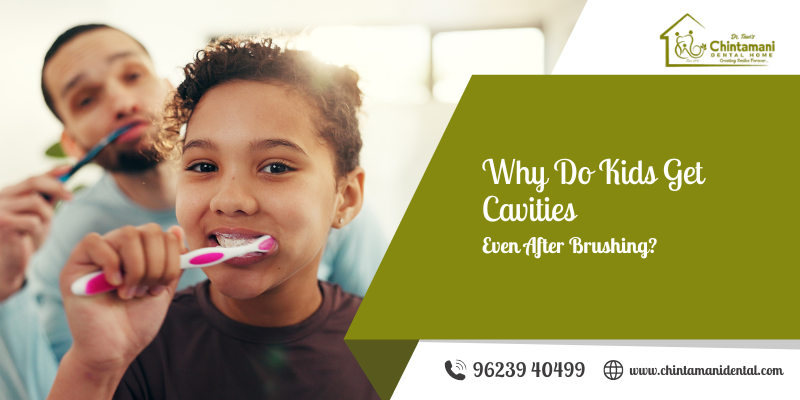
Every parent has faced that moment. You remind your child to brush. You even supervise sometimes. You feel confident that you are doing everything right. Then, during a routine dental visit, the dentist mentions cavities. It feels confusing, maybe even frustrating.
If brushing happens daily, why do dental cavities in kids still show up?
This question often leads parents to explore solutions like cavity filling for kids, but the real answer lies deeper than brushing alone. Oral health in children depends on a combination of habits, diet, technique, and timing. Once you understand the full picture, things start to make more sense.
Let’s break it down in a way that actually reflects real-life situations.
Brushing Alone Isn’t Always Enough
Most children brush quickly. Some rush through it just to get it done. Others miss hard-to-reach areas. Even with good intentions, brushing may not remove all plaque.
Plaque is sticky. It hides between teeth and along the gum line. Over time, it hardens into tartar. That’s when tooth decay in children begins to develop silently.
Parents often assume brushing twice a day solves everything. It helps, but it does not guarantee protection. This is why dentists sometimes recommend early pediatric cavity filling even when brushing habits seem consistent.
The Hidden Role of Diet
Now think about a typical day. A biscuit here, a chocolate there, maybe a juice box or flavored milk. None of these feels like a major issue individually.
But frequent snacking creates a constant sugar environment in the mouth.
Bacteria feed on sugar. They produce acids. These acids attack the enamel repeatedly. Over time, small weak spots turn into cavities.
Even children who brush regularly can develop dental cavities in kids because brushing cannot fully reverse repeated acid exposure.
Here’s what often contributes:
- Sticky foods like candies and biscuits
- Frequent snacking without rinsing
- Sugary drinks, even “healthy” ones like packaged juices
- Nighttime milk without brushing afterward
When these habits combine, the need for a tooth filling for children becomes more likely.
Timing Matters More Than You Think
Brushing twice a day sounds ideal, but timing plays a huge role.
If a child brushes in the morning but snacks frequently afterward, plaque builds up again. If they skip brushing before bed, bacteria stay active overnight.
Nighttime is especially important. Saliva production drops during sleep. This reduces the mouth’s natural ability to clean itself.
That’s why dentists often emphasize brushing before bed more than any other time. Skipping it increases the risk of tooth decay in children, even with otherwise good habits.
Technique Makes a Big Difference
Children often lack the dexterity to brush effectively. They may miss:
- Back teeth
- Inner surfaces
- Gum line areas
A quick 20-second brush does not remove plaque properly. Dentists recommend at least two minutes of brushing with proper technique.
Parents sometimes assume independence too early. Supervision matters, especially for younger kids.
At Chintamani Dental Clinic, many cases of early pediatric cavity filling relate not to lack of brushing, but to improper technique.
Not All Teeth Are Equal
Molars have grooves and pits. Food easily gets stuck there. Even with brushing, these areas remain vulnerable.
This explains why cavities often appear in back teeth first.
Some children also have naturally weaker enamel. This makes them more prone to dental cavities in kids, even with similar habits to others.
In such cases, preventive care becomes important. Dentists may suggest fluoride treatments or sealants to reduce the risk of needing cavity filling for kids later.
The Role of Genetics and Enamel Strength
Parents rarely consider genetics, but it plays a role.
Some children inherit:
- Thinner enamel
- Higher cavity risk
- More sensitive teeth
Even with consistent brushing, these children may develop cavities faster.
This does not mean something went wrong. It simply means extra care becomes necessary. Early visits help identify these risks and prevent advanced tooth decay in children.
Early Signs Often Go Unnoticed
Cavities in children do not always cause pain immediately. This leads to delayed detection.
Common early signs include:
- White or brown spots on teeth
- Sensitivity to sweets
- Occasional discomfort while eating
Since children may not express symptoms clearly as cavities tend to progress quietly.
By the time pain appears, treatment often involves pediatric cavity filling instead of preventive care.
Regular check-ups help catch issues early, reducing the need for extensive tooth filling for children.
How Cavities Are Treated in Children?
Once a cavity forms, it does not reverse on its own. Treatment becomes necessary to stop further damage.
Understanding how cavities are treated in children helps reduce anxiety.
The process usually involves:
- Removing the decayed portion
- Cleaning the affected area
- Filling the tooth with a safe material
Modern techniques focus on comfort. Dentists use child-friendly approaches to ensure a positive experience.
At Chintamani Dental Clinic, the focus remains on making cavity filling for kids as stress-free as possible. This approach helps children feel more comfortable with dental visits in the future.
Why Early Treatment Matters?
Delaying treatment can lead to:
- Increased pain
- Infection
- Difficulty eating
- Impact on permanent teeth
Baby teeth hold space for adult teeth. Ignoring cavities can affect alignment later.
Early pediatric cavity filling prevents complications and supports long-term oral health.
It also reduces the need for more complex procedures.
Prevention Still Stays the Goal
While cavity filling for kids helps treat existing issues, prevention remains the priority.
Simple habits can make a big difference:
- Supervise brushing until proper technique develops
- Limit sugary snacks and drinks
- Encourage rinsing after meals
- Maintain regular dental visits
- Avoid nighttime feeding without brushing
Consistency matters more than perfection.
A Quick Reality Check for Parents
It is easy to feel responsible when cavities appear. But the truth is, most parents face this at some point.
Children learn gradually. Habits take time to build. Occasional cavities do not mean failure.
Instead, they offer an opportunity to improve routines and understand oral health better.
Even with the best care, some may still need a tooth filling for children. What matters most is timely action and continued care.
When Should You Visit a Dentist?
Many parents wait until pain appears. This delays early detection.
Ideally, children should visit a dentist:
- Every six months
- When new teeth erupt
- If any discoloration appears
- If sensitivity or discomfort occurs
Regular visits reduce the chances of advanced tooth decay in children and minimize the need for repeated cavity filling for kids.
At Chintamani Dental Clinic, routine check-ups often help identify early signs before they become major concerns.
FAQs
- Is it normal for a 7-year-old to need a cavity filling for kids?
Yes, it is common for a 7-year-old to need a cavity filling for kids. Many children develop dental cavities in kids due to diet, brushing habits, and enamel strength. Baby teeth are more prone to tooth decay in children, which can progress quickly. Early pediatric cavity filling helps prevent pain and infection. Treating cavities in baby teeth also protects future permanent teeth. Regular check-ups reduce the need for repeated tooth filling for children.
- Is tooth filling safe for kids?
Yes, tooth filling for children is safe and widely recommended. Materials used in pediatric cavity filling meet strict safety standards and are child-friendly. Tooth-colored fillings are durable and blend naturally. Some also release fluoride to prevent further tooth decay in children. Without treatment, dental cavities in kids can worsen. Overall, cavity filling for kids is a safe and effective solution.
- Is getting a cavity filled painful for kids?
No, cavity filling for kids is usually not painful. Dentists use numbing gels for comfort. Children may feel slight pressure but not pain during pediatric cavity filling. Mild sensitivity may occur afterward but fades quickly. Early treatment reduces discomfort compared to untreated tooth decay in children. Overall, tooth filling for children is comfortable and manageable.
- Is it normal for kids to have cavities?
Yes, dental cavities in kids are very common. Factors like sugary snacks, improper brushing, and frequent eating contribute to tooth decay in children. Even with brushing, plaque can build up in hidden areas. Early pediatric cavity filling helps stop decay from spreading. Regular dental visits reduce the need for multiple cavity filling for kids treatments.
- How long do cavity fillings last in kids?
A tooth filling for children typically lasts 5 to 7 years, depending on care and material. Good oral hygiene helps extend its life. Regular dental visits ensure the filling stays intact. Over time, fillings may need replacement. Proper care reduces further tooth decay in children. Cavity filling for kids offers reliable protection for growing teeth.
- Why do kids get cavities even after brushing regularly?
Even with brushing, dental cavities in kids can occur due to poor technique, diet, and timing. Sugary snacks cause repeated exposure to acids, leading to tooth decay in children. Skipping night brushing increases the risk of cavities. Some children also have weaker enamel. In such cases, early pediatric cavity filling may be needed. Proper habits help reduce the need for cavity filling for kids.
Small Habits Make A Big Difference!
Cavities build slowly, influenced by small daily habits.
Brushing matters. Diet matters. Timing matters. But most importantly, awareness matters.
When you understand why cavities happen, you can take better steps to prevent them.
And if treatment becomes necessary, approaching it early makes all the difference.
If you ever find yourself wondering whether your child might need a cavity filling for kids, consider it a step toward better care, not a setback. Sometimes, the smallest corrections today create the healthiest smiles tomorrow.